A Journey Through UNESCO World Heritage Sites
Across continents, United Nations Educational, Scientific and Cultural Organization (UNESCO) World Heritage sites tell the story of human ambition and nature’s power. They include snow-capped peaks, bustling medieval streets, desert ruins, rainforests and sacred landmarks. Each location marks a point where culture or landscape shaped our present world.
When you place them on a map, those points connect into a story far bigger than any single site. The full scope of human creativity and natural wonder becomes clear when viewed all at once.
View A Map Of UNESCO World Heritage Sites in a full screen map
Zoom in to uncover regional patterns or step back to see the global picture. Select any marker to see details about each site, or use the filters to narrow by type or region.
Site Locations Around the World
As of November 2025, UNESCO lists 1,248 World Heritage sites in 170 countries. The list includes 972 cultural, 235 natural, and 41 mixed sites. Europe has the highest concentration, followed by Asia, the Americas, Africa, and Oceania.
- Europe and North America: 529 sites
- Asia and the Pacific: 284 sites
- Latin America and the Caribbean: 149 sites
- Africa: 102 sites
- Arab States: 72 sites
Italy leads all countries with 60 sites, followed by China, Germany, France, and Spain. These countries stack layers of history and nature into tightly-packed landscapes.
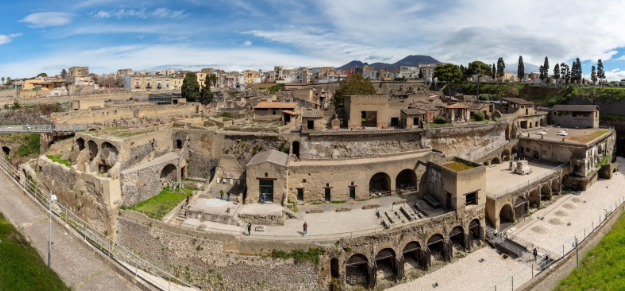
Cultural Versus Natural Heritage
UNESCO divides sites into cultural, natural, and mixed categories. Cultural sites preserve cities, monuments, and archaeological landscapes created by people. Natural sites protect ecosystems, geological formations, and places that showcase the planet’s power.
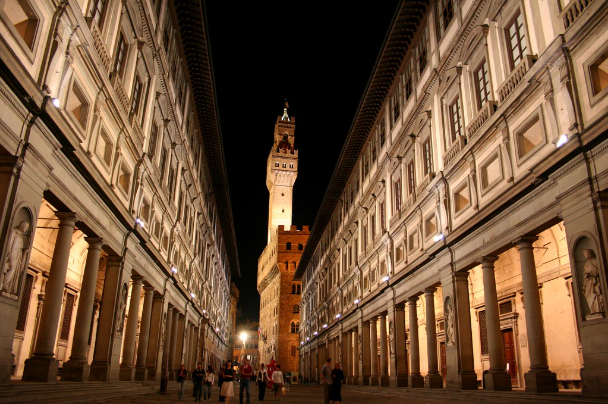
Cultural: Florence, Italy
Florence, Italy, represents the height of cultural achievement during the Renaissance. Its cathedrals, palaces and public spaces shaped European art and thought.
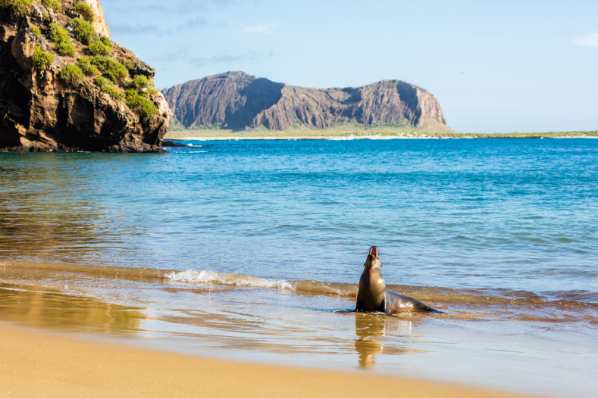
Natural: Galápagos Islands, Ecuador
The Galápagos Islands, far off the coast of Ecuador, illustrate how isolation drives evolution. Their diverse wildlife influenced Charles Darwin’s thinking during his 1835 visit and remains a fragile ecosystem today.
Europe and North America
Europe and North America contain the largest number of UNESCO sites at 529 sites. Historic cities and artistic centers sit alongside coastlines, mountains and wilderness.
Interactive Maps Made Easy
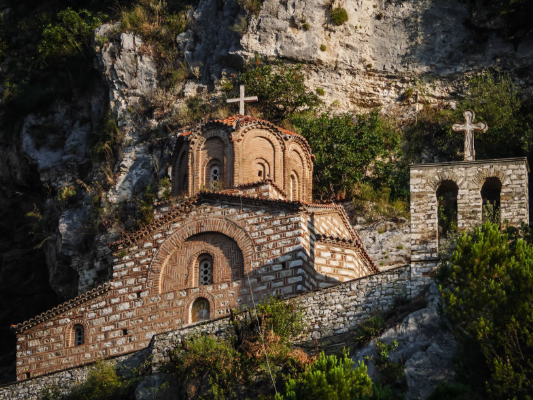
Sign Up NowCultural: Berat, Albania
Berat, in central Albania, showcases well-preserved Ottoman-era architecture layered over earlier Byzantine and Illyrian foundations. Nicknamed “the city of a thousand windows,” it reflects centuries of cultural blending at a crossroads of empires.
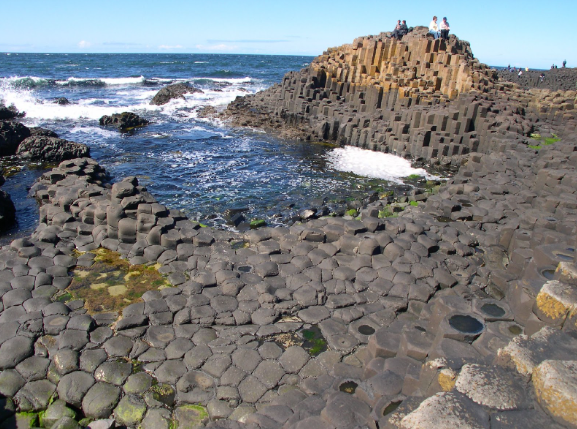
Natural: Giant’s Causeway, Northern Ireland
Along Northern Ireland’s coast, more than 40,000 basalt columns rise from the sea. Formed by volcanic activity, the Giant’s Causeway blends geological wonder with local legend.
Asia and the Pacific
Asia and the Pacific mix ancient cities with striking natural environments. Temples, trade routes, and island ecosystems reflect civilizations shaped by dramatic landscapes. It comes in second for the most sites across the UNESCO regions with 284 sites.
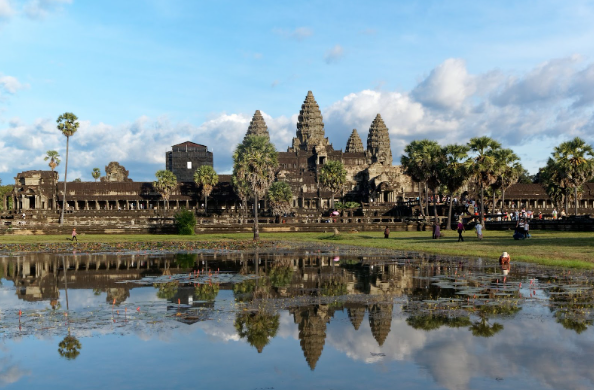
Angkor, Cambodia
Angkor served as the Khmer Empire’s capital between the 9th and 15th centuries. Its temples and intricate carvings reveal centuries of religious and artistic achievement.
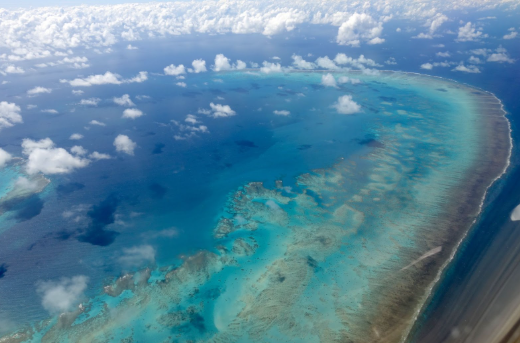
Great Barrier Reef, Australia
Stretching more than 1,400 miles, the Great Barrier Reef hosts coral, marine species, and ecosystems vital to global biodiversity. Its preservation is critical as climate change threatens its delicate balance.
Latin America and the Caribbean
This region combines Indigenous civilizations, colonial architecture, and tropical landscapes that span borders. In total, it contains 149 heritage sites.
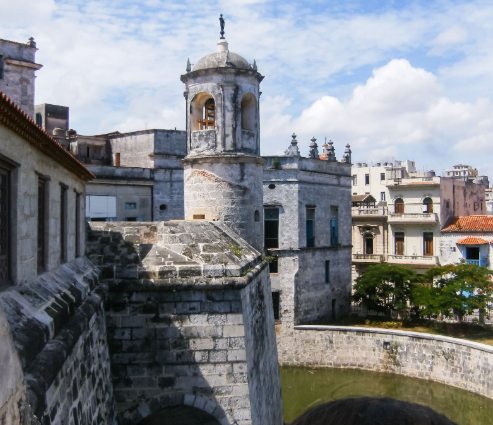
Cultural: Havana, Cuba
Havana’s historic core reflects centuries of colonial power and cultural evolution. Fortresses, plazas, and baroque buildings line streets that still pulse with history.
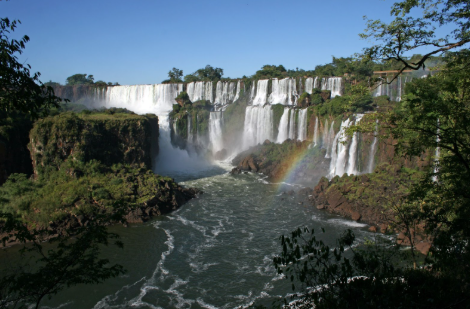
Natural: Iguazu National Park, Argentina & Brazil
Iguazu National Park protects a vast system of waterfalls surrounded by rainforest. Jaguars, toucans, and butterflies thrive in this spectacular setting.
Africa
Africa’s UNESCO sites include ancient cities, highland landscapes, and rich wildlife reserves. In total, you’ll find 102 absolutely breathtaking sites across the continent.
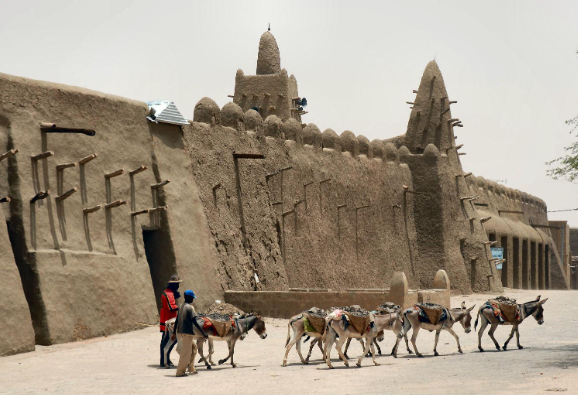
Cultural: Timbuktu, Mali
Timbuktu flourished as a center of Islamic learning and trans-Saharan trade beginning in the 12th century. Its mosques and libraries once held thousands of manuscripts that shaped West African intellectual life.
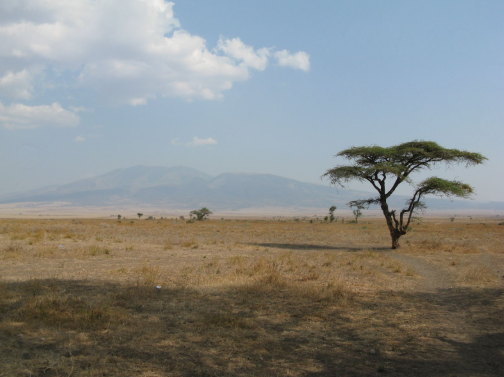
Natural: Serengeti National Park, Tanzania
The Serengeti supports one of the planet’s largest mammal migrations. Wildebeest, lions, and elephants roam its plains, illustrating ecological systems on a grand scale.
Arab States
Sites across North Africa and the Middle East preserve ancient trade centers, religious landmarks, and desert landscapes that sustained civilizations for millennia. In this UNESCO region, there are 72 sites to explore.
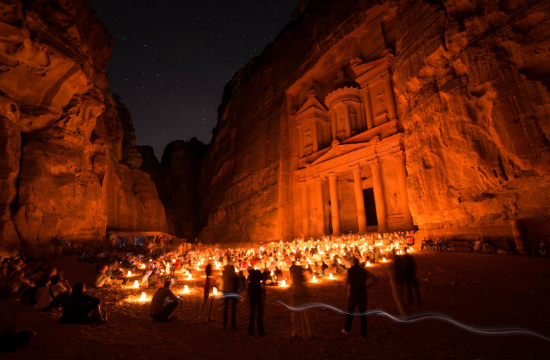
Cultural: Petra, Jordan
Petra’s sandstone facades were carved by the Nabateans more than 2,000 years ago. This desert city flourished as a major trading hub and remains one of the region’s most striking landmarks.
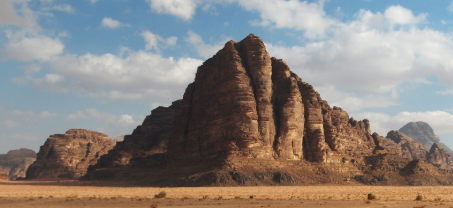
Natural: Wadi Rum, Jordan
Wadi Rum combines natural beauty and cultural history. Bedouin inscriptions, towering rock formations, and wide open plains earn this desert landscape its designation as a mixed World Heritage site.
Create Your Own Map
UNESCO’s regions reveal how culture and nature shape history worldwide. From ancient cities to coral reefs, these sites represent humanity’s shared heritage.
You can do the same with your own data. Whether it’s customer addresses, business locations, or delivery routes, BatchGeo makes it fast and simple to create a custom map. If you’re not sure where to start, sample data is available to try it out. Paste your spreadsheet, build a map, and uncover the patterns in your data.